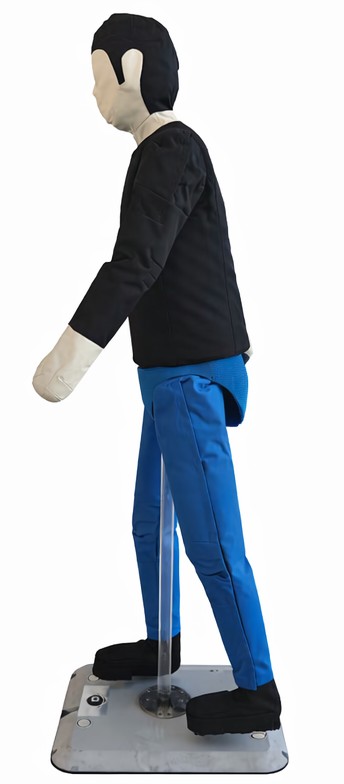


Product Description
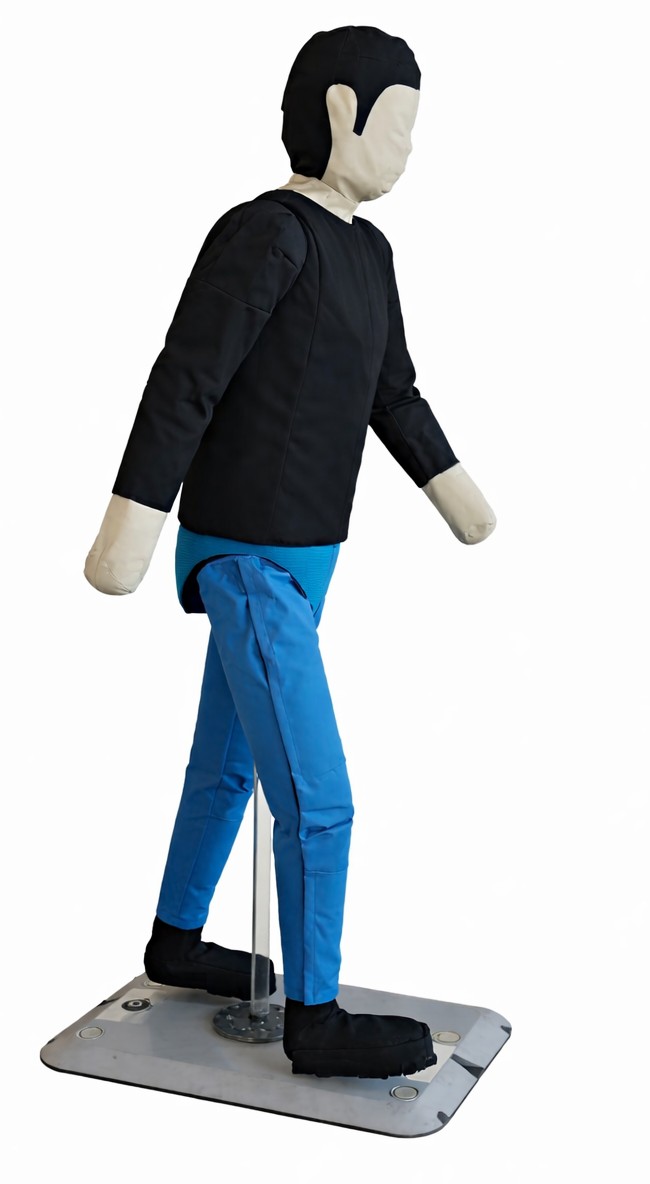
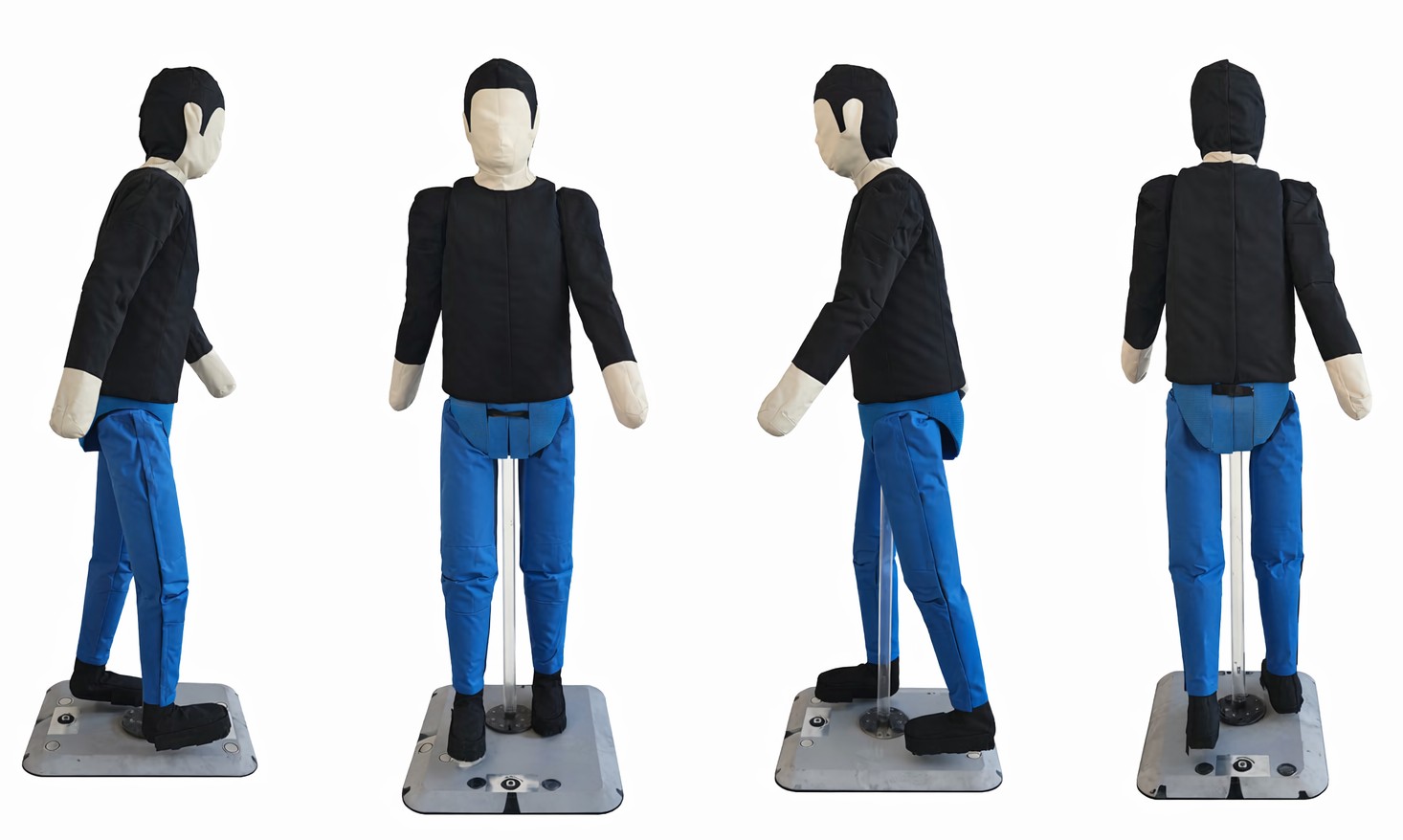
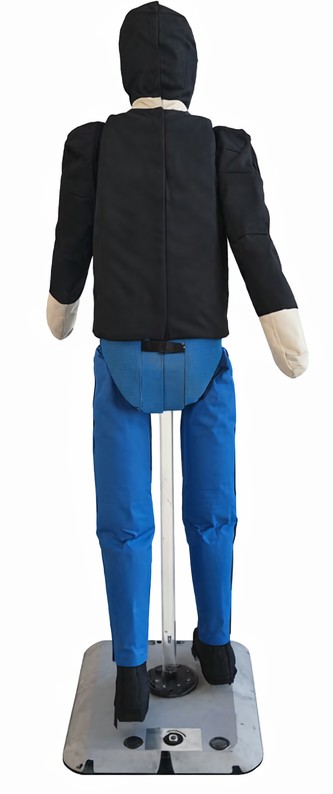
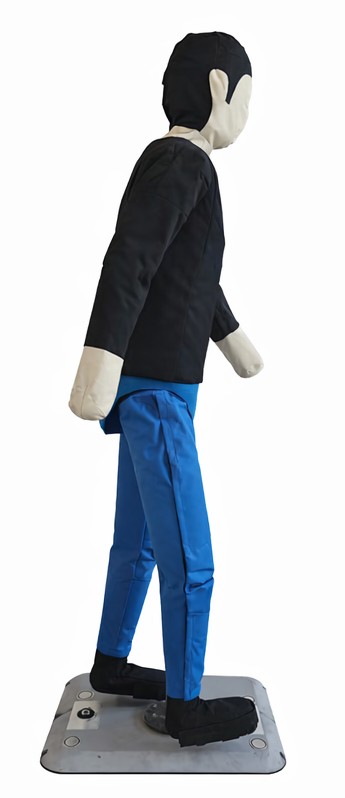
The ISO 19206-2 Pedestrian Target Series is designed for automotive active safety, ADAS and intelligent driving system testing. It provides a standardized and repeatable vulnerable road user surrogate for the development, validation and assessment of pedestrian detection, warning and collision avoidance functions.
The target is developed in accordance with the requirements of ISO 19206-2, and is suitable for test scenarios defined by C-NCAP, Euro NCAP and other NCAP-related protocols. It can be used for AEB Pedestrian testing, forward collision warning validation, perception algorithm development, sensor benchmarking and closed-course active safety evaluation.
The pedestrian target reproduces the key detectable characteristics of real pedestrians, including visual appearance, body dimensions, radar response, LiDAR reflectivity and dynamic leg motion. With an articulated leg mechanism, the target can simulate walking or running motion and generate pedestrian-like motion features for camera, millimeter-wave radar and LiDAR-based perception systems.
Key Features
The pedestrian target provides realistic visual, millimeter-wave radar and LiDAR characteristics equivalent to real pedestrians, enabling reliable validation of multi-sensor perception systems.
The articulated leg mechanism supports adjustable leg-swing amplitude and frequency, allowing the target to reproduce different walking and running states. This helps generate realistic visual motion cues and radar micro-Doppler characteristics, improving the repeatability and credibility of pedestrian detection testing.
The lightweight and soft structure is designed to reduce the risk of damage during impact tests. The target supports a maximum vehicle impact speed of up to 60 km/h, making it suitable for NCAP-oriented AEB Pedestrian evaluation and repeated proving-ground testing.
The system supports both mobile app and PC software control. Users can configure target motion parameters, adjust leg movement, start or stop the target, and manage test procedures through an intuitive control interface.
Technical Specifications
| Item | Adult Pedestrian Target | Child Pedestrian Target |
|---|---|---|
| Target height | 1800 ± 20 mm | 1154 ± 20 mm |
| Shoulder width | 500 ± 20 mm | 298 ± 20 mm |
| Target weight | ≤ 7 kg | ≤ 4 kg |
| Leg motion | Articulated leg mechanism | Articulated leg mechanism |
| Leg-swing amplitude | Adjustable | Adjustable |
| Leg-swing frequency | Adjustable | Adjustable |
| Maximum impact speed | Up to 60 km/h | Up to 60 km/h |
| Control method | Mobile app / PC software | Mobile app / PC software |
| Operating temperature | -20°C to 50°C | -20°C to 50°C |
Application Areas
The pedestrian target is suitable for:
AEB Pedestrian system testing
Forward Collision Warning validation
Pedestrian detection algorithm development
Camera, radar and LiDAR sensor validation
Multi-sensor fusion performance evaluation
Adult pedestrian crossing scenarios
Child pedestrian crossing scenarios
Walking and running pedestrian scenarios
NCAP pre-testing and certification-oriented validation
OEM development testing
Proving-ground active safety evaluation