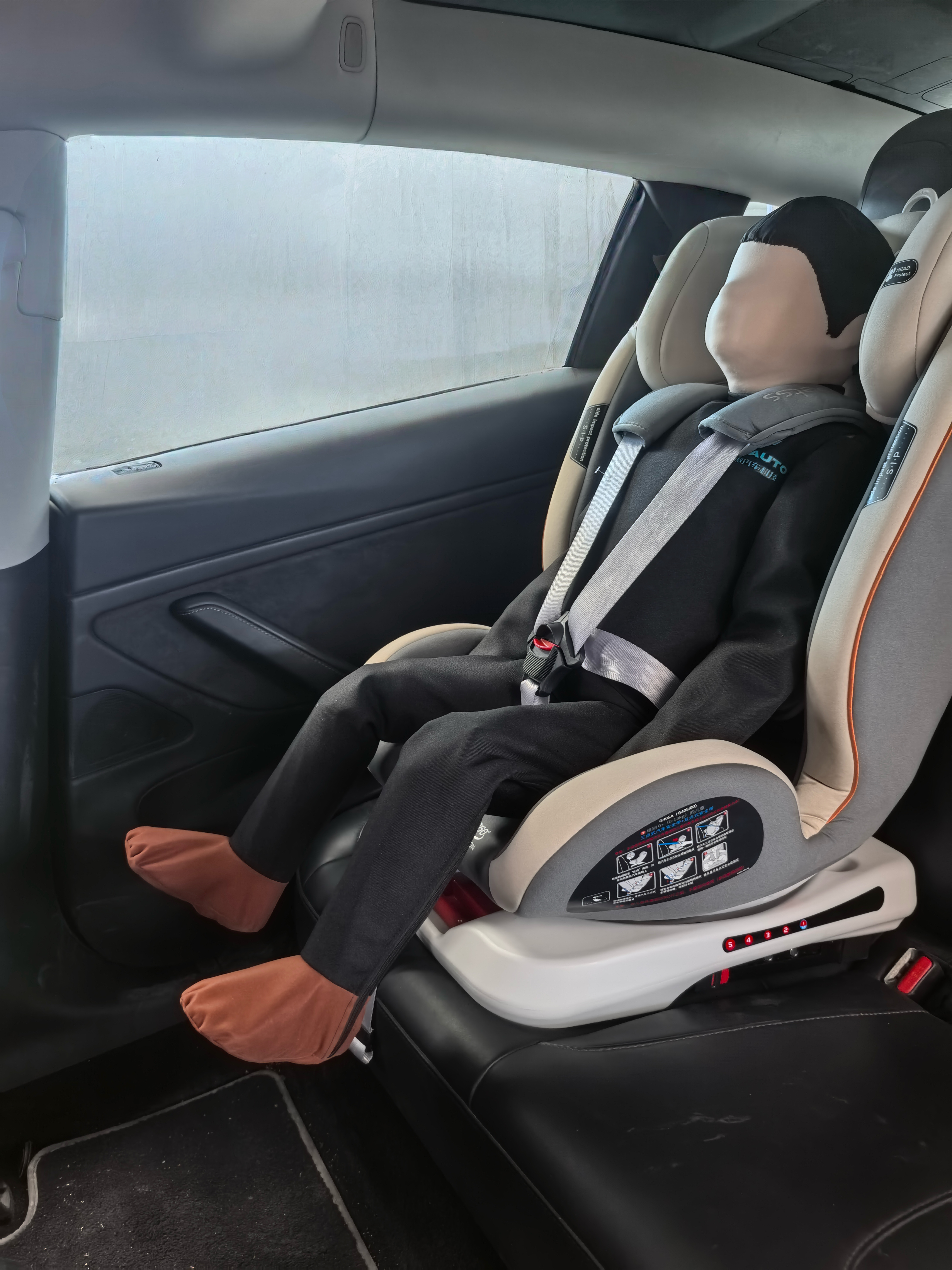
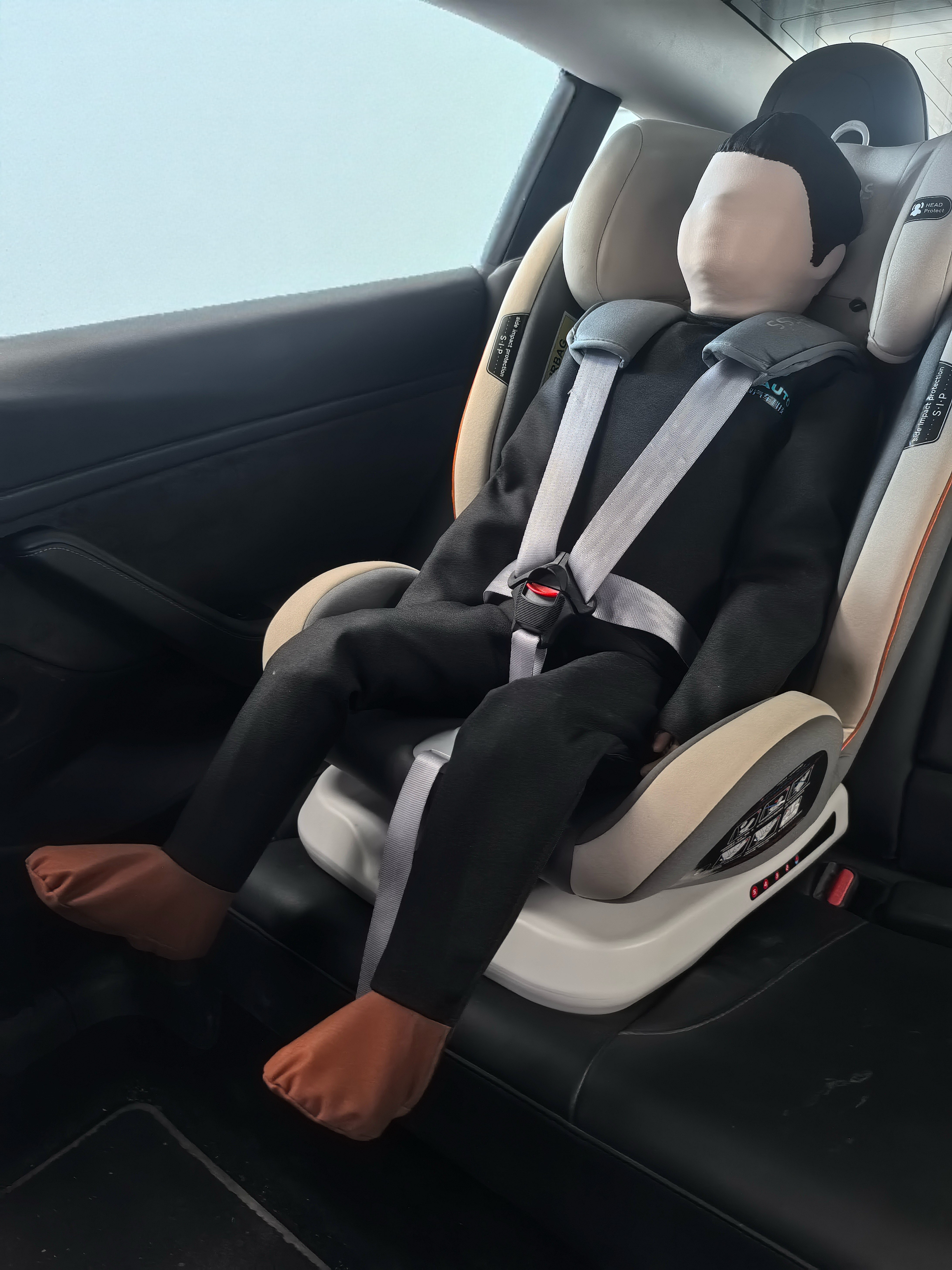

Product Introduction
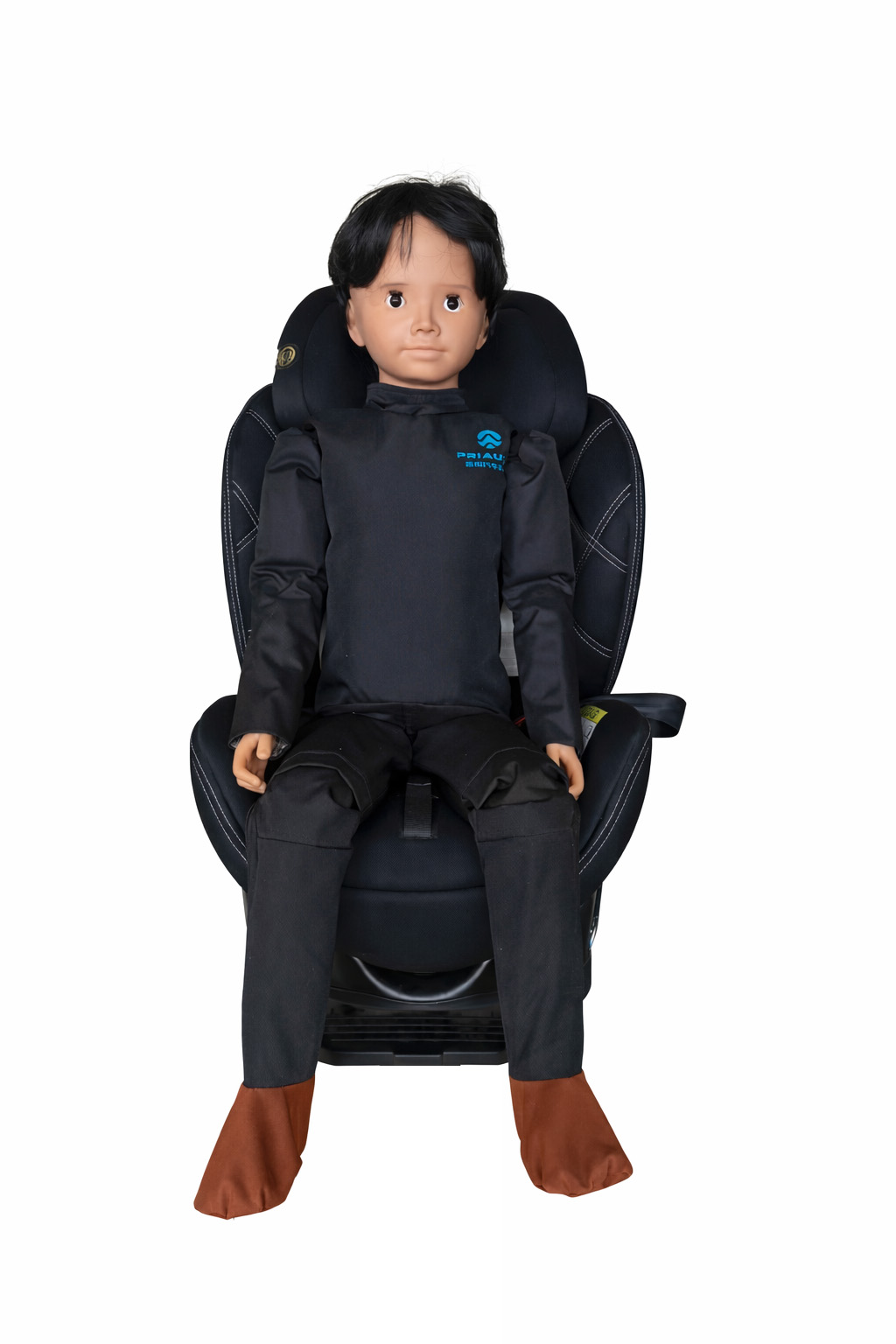
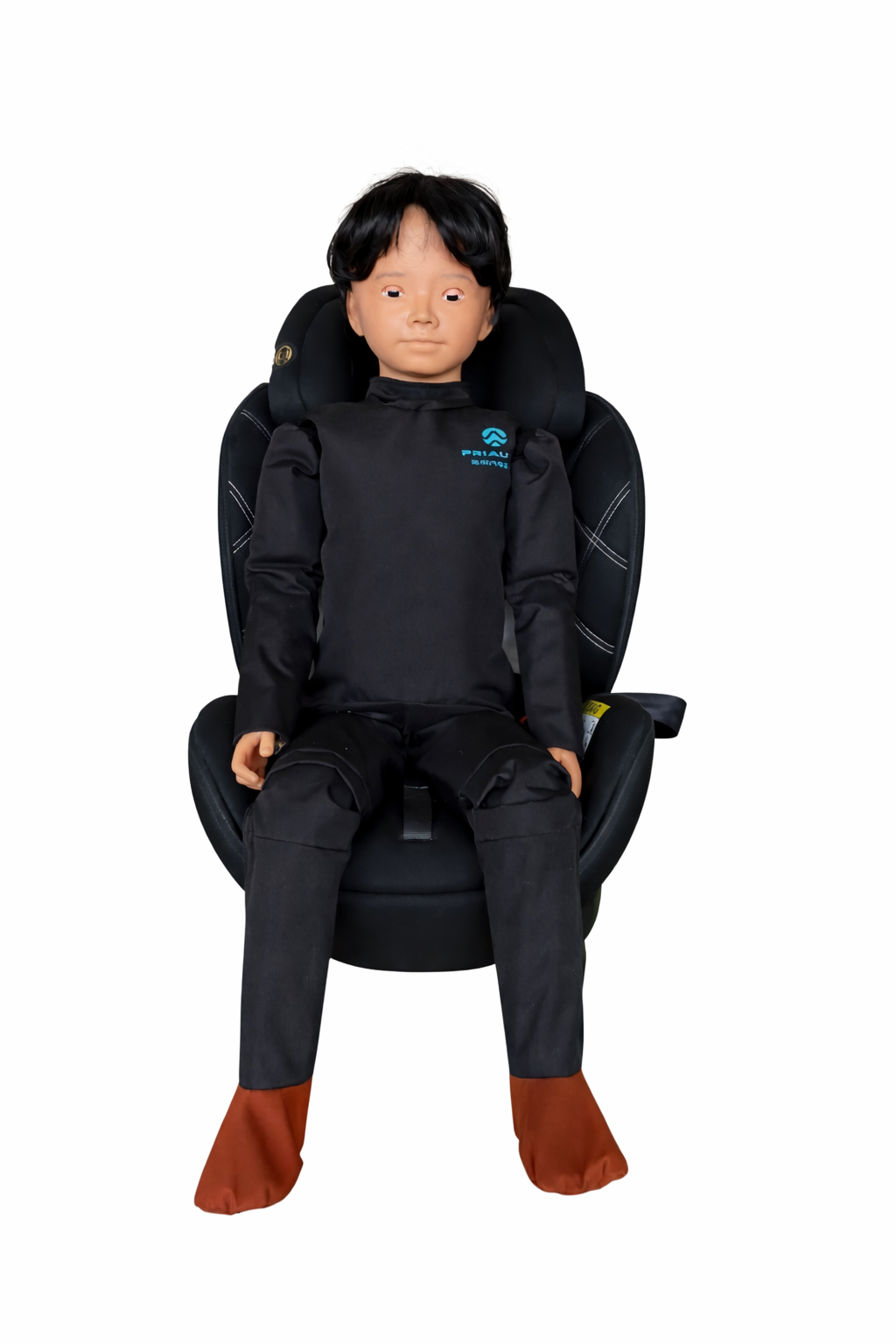
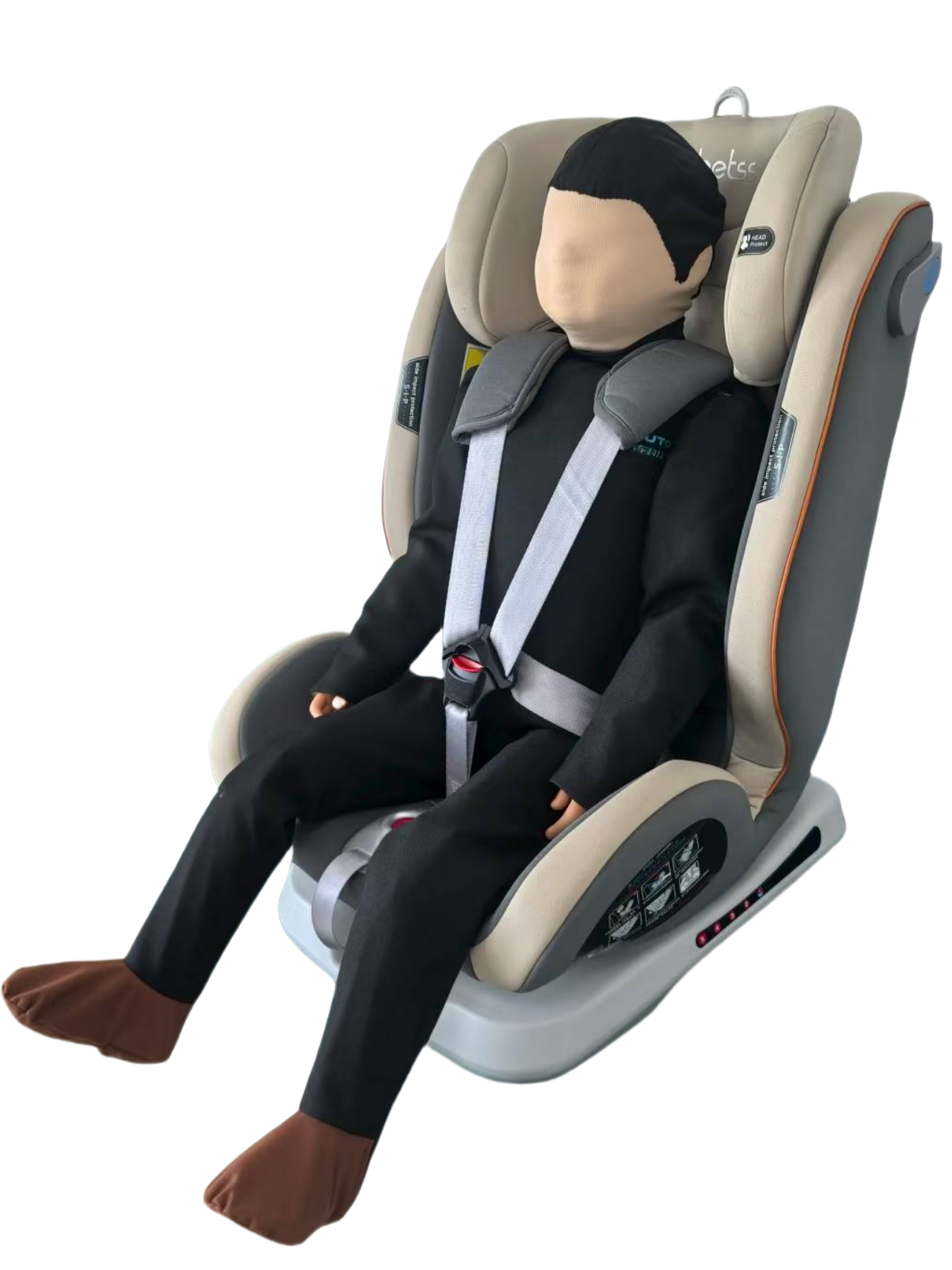
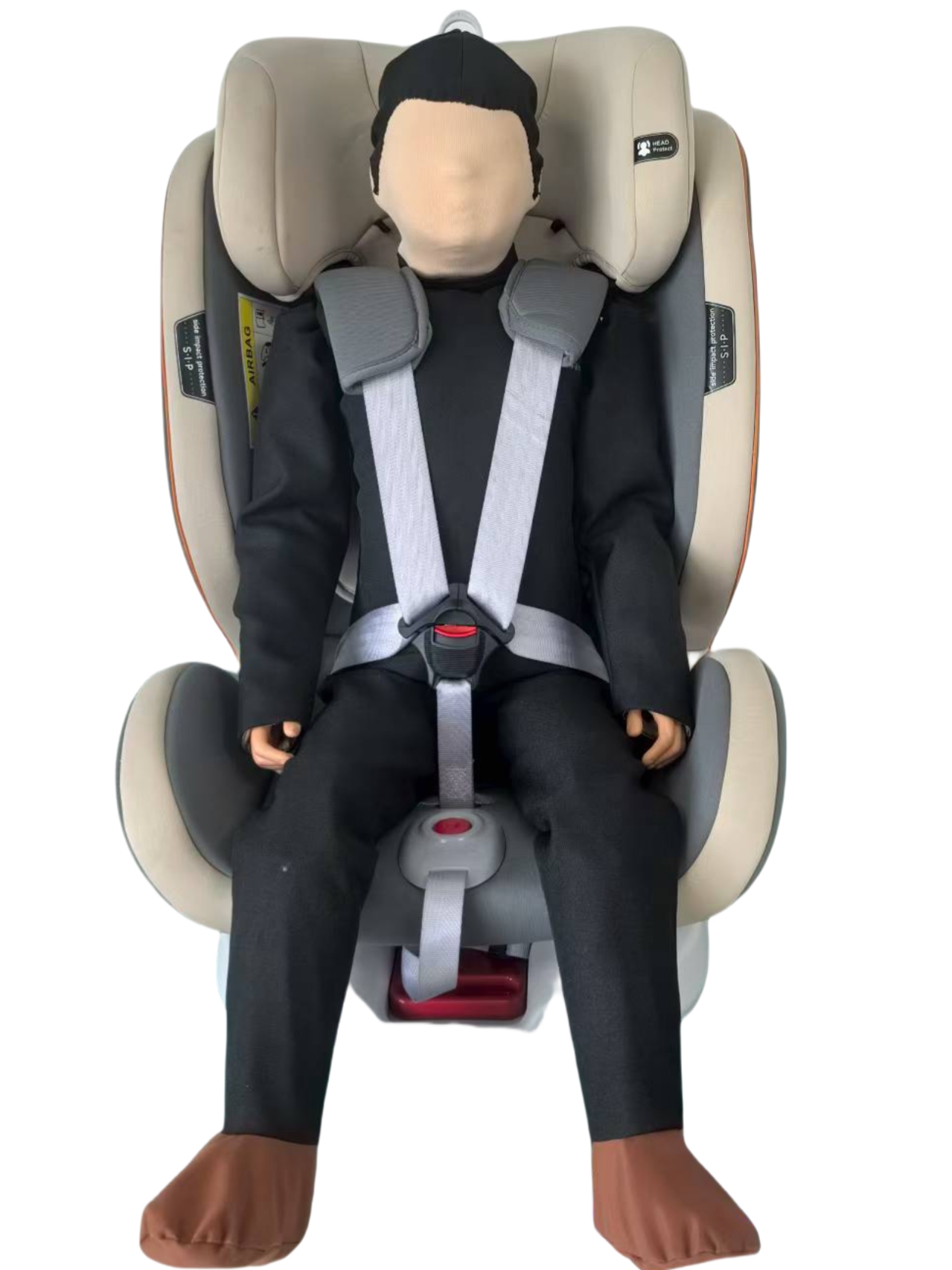
The 3-Year-Old Child Presence Detection Surrogate is a high-fidelity in-cabin test device designed for the development, validation, benchmarking, and regulatory assessment of Child Presence Detection systems. Representing the body size, physiological characteristics, motion behavior, and multi-sensor perception features of a typical 3-year-old child, the surrogate provides a repeatable and controllable test platform for evaluating CPD performance under realistic vehicle cabin scenarios.
Engineered for radar-, Wi-Fi-, UWB-, vision-, thermal-, and multi-sensor-fusion-based CPD technologies, the surrogate integrates programmable respiration, heartbeat, head motion, limb motion, and optional advanced physiological simulation modules. It is capable of generating child-like radar micro-Doppler signatures associated with breathing, heartbeat, and body movement, while providing representative radar cross-section characteristics comparable to those of real children.
The system is applicable to a wide range of CPD test scenarios, including child seats, rear seats, sleeping postures, partially covered conditions, footwell/lying positions, and low-motion or weak-signal states. It supports testing requirements for Euro NCAP, C-NCAP, i-VISTA, and customized CPD assessment protocols.
Key Capabilities
The surrogate is designed to support comprehensive CPD system evaluation across multiple sensing principles and use cases.
It supports 5 GHz Wi-Fi sensing, UWB, 24 GHz radar, 60 GHz millimeter-wave radar, 140 GHz millimeter-wave radar, 4D imaging radar, thermal sensing, vision-based sensing, and multi-sensor fusion systems. Through its integrated physiological and motion simulation mechanisms, the surrogate enables repeatable reproduction of different child states, including sleeping, resting, restless movement, shallow breathing, irregular breathing, and apnea-like pauses.
The product provides:
- Anthropometric representation of a 3-year-old child
- Programmable respiration and heartbeat simulation
- Child-like radar micro-Doppler response generation
- Representative radar cross-section characteristics of real children
- Programmable and random head, arm, and leg motion
- Abdominal breathing simulation
- Multi-sensor compatibility for radar, Wi-Fi, UWB, vision, thermal, and fusion-based systems
- Support for standard and customized CPD test protocols
- Optional advanced functions including eye-blink control and body temperature simulation
Physiological Simulation
The surrogate provides adjustable physiological parameters to reproduce both normal and challenging child presence conditions inside the vehicle cabin.
- Respiratory rate: 10–60 bpm, adjustable
- Respiratory amplitude: 1–20 mm, adjustable
- Respiratory mode: abdominal breathing
- Heartbeat frequency: 40–150 bpm, adjustable
- Breathing pattern: fixed, programmable, random, periodic, or event-triggered
These functions allow the surrogate to simulate various physiological states, such as quiet sleep, deep sleep, shallow breathing, irregular breathing, temporary breathing pauses, and low-motion child presence conditions.
Programmable Motion Simulation
The surrogate incorporates multi-degree-of-freedom motion mechanisms for the head, arms, and legs, enabling realistic simulation of child movement and posture variation during CPD testing.
Head Motion
- 2 DoF head motion
- Left–right rotation: -90° to 90°
- Up–down rotation: -30° to 30°
Arm Motion
- 2 × 3 DoF arm motion
- Shoulder up–down: 0° to 180°
- Shoulder left–right: 0° to 90°
- Elbow up–down: 0° to 90°
Leg Motion
- 2 × 3 DoF leg motion
- Hip up–down: 0° to 90°
- Hip left–right: -45° to 45°
- Knee up–down: 0° to 90°
The motion system supports predefined motion sequences, programmable trajectories, and random motion profiles, allowing the simulation of child restlessness, posture adjustment, intermittent movement, and low-amplitude body motion.
Advanced Breathing Simulation
A key feature of the upgraded CPD surrogate is its nine-mode intelligent breathing control system. Unlike conventional static or fixed-pattern respiration devices, this system can reproduce dynamic variations in breathing rate and amplitude, providing more realistic and challenging test conditions for CPD sensors and algorithms.
The breathing control modes include:
- Fixed breathing rate with increasing amplitude
- Fixed amplitude with increasing breathing rate
- Fixed breathing rate with amplitude increasing and then decreasing
- Fixed amplitude with breathing rate increasing and then decreasing
- Fixed breathing rate with randomly fluctuating amplitude
- Fixed amplitude with randomly fluctuating breathing rate
- Random variation of both breathing rate and amplitude within defined limits
- Occasional random breaths inserted during normal breathing
- Occasional breathing pauses inserted during normal breathing, with adjustable pause frequency
These modes support the simulation of regular breathing, shallow breathing, deep sleep, restlessness, irregular respiration, and apnea-like events. They are especially valuable for evaluating CPD systems under weak-signal, low-motion, or highly variable physiological conditions.
Optional Advanced Functions
For higher-level CPD validation, the surrogate can be equipped with optional modules to enhance physiological realism and support additional sensing modalities.
Eye-Blink Control
The optional eye-blink control module provides programmable eyelid movement for vision-based CPD testing. It can simulate normal blinking, slow blinking, random blinking, and closed-eye sleeping states, supporting the evaluation of camera-based child detection, facial feature recognition, and child state classification.
Body Temperature Simulation
The optional body temperature control module provides a controllable thermal signature similar to that of a real child. It supports thermal camera and infrared sensor validation under different cabin temperatures, clothing conditions, and partially covered scenarios.
Customized Behavior Simulation
Customized physiological and behavioral profiles can be developed according to specific test requirements, including weak respiration, irregular heartbeat, intermittent movement, prolonged sleeping states, and scenario-specific child behavior patterns.
Application Areas
The 3-Year-Old Child Presence Detection Surrogate is suitable for:
- CPD system development and validation
- Sensor performance benchmarking
- Radar micro-Doppler algorithm verification
- Wi-Fi sensing validation
- UWB sensing validation
- 24 GHz, 60 GHz, and 140 GHz radar testing
- 4D imaging radar evaluation
- Vision-based child detection testing
- Thermal and infrared sensing validation
- Multi-sensor fusion algorithm development
- Euro NCAP, C-NCAP, i-VISTA, and customized protocol testing
- Laboratory, vehicle-level, and proving-ground CPD evaluation
